Roof Lights: Premium Skylight Solutions for Residential Homes
The Aesthetic Appeal of Rooflights: Enhancing Your Home's Design
Rooflights serve as a transformative element in home architecture. They introduce an abundance of natural light, elevating the overall aesthetic and generating a sense of spaciousness. Beyond simple functionality, rooflights highlight architectural details and enhance interior environments. Their selection of styles caters to diverse tastes and preferences. As homeowners seek to balance beauty with practicality, the impact of rooflights on mood and energy efficiency becomes ever more relevant. What factors should one consider when incorporating expert guide them into a design?
How Rooflights Enhance Energy Efficiency and Reduce Costs
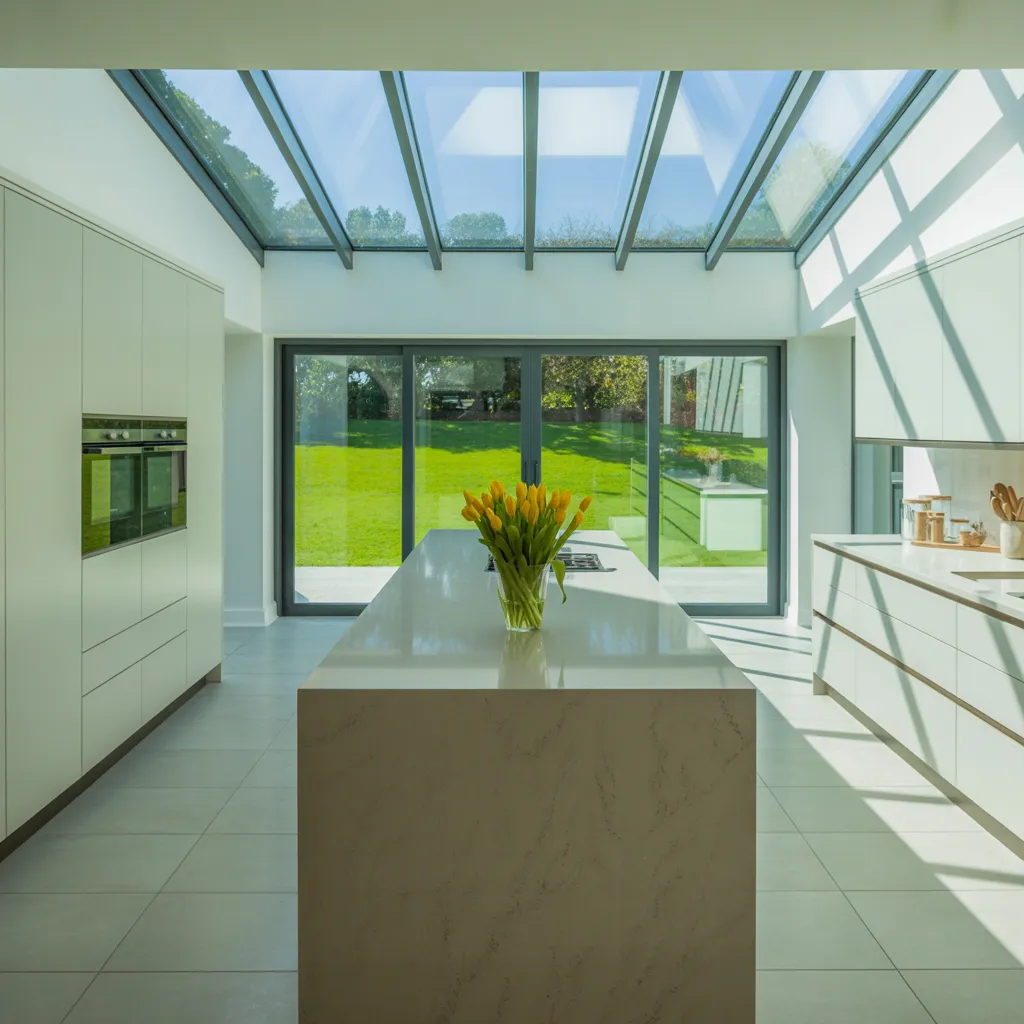
While many homeowners prioritize aesthetics, rooflights additionally serve a vital function in boosting overall energy efficiency. By enabling natural light to penetrate interior spaces, they reduce the reliance on artificial lighting, leading to lower electricity consumption. Carefully positioned rooflights assist in managing interior temperatures, decreasing the demand for seasonal heating and cooling. This inherent climate control not only fosters a more agreeable living space but also results in substantial decreases in household energy expenses.
Moreover, modern rooflights often feature sophisticated glazing technologies that boost insulation, which additionally increases energy efficiency. Such innovations limit heat loss during cold seasons and control heat gain during warm seasons. As a result, property owners can appreciate lower energy costs and a minimised carbon footprint. Accordingly, including rooflights in home architecture achieves a dual objective: boosting decorative appeal whilst simultaneously encouraging sustainability and monetary savings.
The Importance of Natural Light in Home Design
Natural light considerably enhances home design, providing many advantages that go beyond visual appeal. It promotes a sense of well-being and boosts mood, as exposure to natural light has been linked to increased serotonin levels. This psychological uplift can lead to improved productivity and creativity, rendering spaces feel more appealing and revitalizing.
Furthermore, natural light can produce the impression of more spacious spaces, making rooms feel more breathable and more spacious. This quality can be notably advantageous in modest-sized homes, where making the most of available space is essential. Furthermore, natural light reduces use of artificial lighting, producing lower energy costs and a reduced carbon footprint.
Integrating natural light into home design can likewise support better health, as it supports the body's circadian rhythms, promoting better sleep patterns. In summary, the incorporation of natural light serves as a vital component, improving both the functionality and livability of a home.
Elevating Space and Aesthetics With Rooflights
Rooflights function as a defining component in modern architecture, providing a significant influx of natural illumination. This brightness not only elevates the aesthetic quality of an interior space but also creates an illusion of increased spaciousness and openness. By installing rooflights, rooms can appear larger and more appealing, transforming the general atmosphere.
Advantages of Natural Light
Illumination serves a fundamental purpose in improving the visual quality of indoor environments, and roof windows provide an excellent option for optimizing this aspect. By allowing natural light to flood in, they generate a luminous and appealing ambiance that can enhance the aesthetic of any space. Natural light does more than brighten a space, as it also accentuates design elements, finishes, and hues, adding depth and warmth to the environment. The abundance of natural light can turn unremarkable interiors into dynamic settings that support health and relaxation. Furthermore, rooflights can decrease dependence on electric light sources, contributing to reduced utility bills and an eco-friendly household. In summary, the integration of roof windows elevates the aesthetic quality, ensuring interiors appear more expansive, vibrant, and in harmony with the natural world.
Visual Area Enhancement
The addition of rooflights can significantly transform spatial perceptions, generating an impression of vastness in interiors of all sizes. By permitting natural light to stream in from overhead, these design features guide the eye toward the ceiling, amplifying the feeling of elevation and space. This proves especially advantageous in smaller spaces, where conventional windows may fall short. Rooflights additionally foster a smooth relationship between indoor and outdoor settings, blurring boundaries and fostering a sense of continuity. The dynamic between light and shadows can additionally highlight architectural features, adding depth and character to the space. Ultimately, rooflights function as a revolutionary feature, improving both the beauty and usability of residential spaces.
Different Rooflight Styles for Every Home
While considering a range of rooflight designs, homeowners can choose from options that complement their architectural preferences. Standard skylights deliver enduring elegance, while current flat rooflights deliver a refined, up-to-date appearance. Tubular daylight systems offer a creative approach, optimizing daylight in compact areas.
Standard Skylight Selections
Traditional skylight options offer homeowners a variety of styles that enhance both aesthetics and functionality. These classic designs include the fixed skylight, which provides a simple, unobtrusive way to introduce natural light into a space. Ventilating skylights, by contrast, facilitate airflow, encouraging improved indoor air quality. Tubular skylights are another popular choice, featuring a compact design that channels sunlight from the roof to interior spaces, making them well-suited for compact spaces. Additionally, dome-shaped skylights can add a distinct architectural element while maximizing light entry. Each of these options complements various home styles, from rustic to modern, making certain that homeowners can identify a conventional skylight that fits their design preferences and everyday needs.
Contemporary Flat Rooflights
While many homeowners seek to enhance their living spaces with natural light, today's flat rooflights present a refined and up-to-date solution that integrates naturally with diverse architectural styles. These rooflights are defined by their clean and minimalist aesthetic, typically incorporating wide glass panels that deliver sweeping views and generous natural light. Offered in a wide range of sizes and layouts, they can be tailored to suit any property, from city lofts to residential suburban homes. Their low-profile design reduces visual clutter and enhances the overall aesthetic appeal of the property. Moreover, modern flat rooflights may be installed with environmentally conscious glazing options, promoting greener and more sustainable living. By choosing this style, homeowners can create vibrant, well-lit spaces that promote a sense of openness and connection to the outdoors.
Tubular Daylighting Systems
Tubular daylighting systems present a creative alternative to standard rooflights, offering versatility and efficiency for various architectural styles. These systems use a light-reflecting tube to capture sunlight from the roof and channel it into interior spaces, considerably enhancing natural lighting without compromising aesthetics. Suitable for both contemporary and classic homes, tubular systems can be incorporated in locations that cannot accommodate larger rooflights. Their streamlined design enables effortless integration into existing structures, upholding the integrity of a home's design. Moreover, they promote energy savings by minimizing dependence on artificial lighting. As homeowners explore sustainable solutions, tubular daylighting systems stand out as a practical choice, fostering a brighter, more inviting atmosphere in all living spaces.
The Way Rooflights Influence Your Mood and Well-Being
What impact do rooflights have on an individual's mood and overall well-being? Rooflights serve as an essential source of natural light, which is known to lift mood and sharpen mental clarity. Greater exposure to daylight assists in regulating circadian rhythms, contributing to healthier sleep patterns and decreased feelings of fatigue. Natural light also stimulates the production of serotonin, a hormone that contributes to feelings of happiness and well-being.
Furthermore, the visual appeal of rooflights can create a more appealing and airy atmosphere, turning ordinary spaces into inspiring settings. This visual bond to the outdoors nurtures a sense of peacefulness and can reduce tension. The interaction of light and shadow within a room can further enhance imagination and efficiency. At its core, the deliberate inclusion of rooflights in a home not only improves its style but also sustains the emotional and mental welfare of its inhabitants, fostering a balanced lifestyle.
Guidelines for Installing Rooflights to Achieve the Greatest Advantages
Optimizing the advantages of rooflights demands thoughtful planning during the installation process. First, selecting the appropriate location is vital; placing rooflights where natural light can be optimized will enhance illumination and reduce reliance on artificial lighting. It is advisable to avoid areas with excessive shading from trees or nearby buildings.
Next, ensuring proper insulation and sealing is essential to minimise heat loss and prevent moisture concerns. Hiring a professional installer is strongly advised to confirm that rooflights are properly secured and meet industry requirements.
Moreover, the size and angle of the roof window should be taken into account to accomplish the intended light outcome while maintaining architectural harmony with the surrounding structure. Implementing smart systems can also enhance performance, facilitating automated control based on environmental conditions.
Furthermore, adding window coverings can help control glare and privacy, making certain that the qualities of rooflight installations are fully realized in equal measure for style and utility.
Finding the Best Rooflight for Your Design Vision
When choosing the right rooflight for specific design needs, it is crucial to evaluate both aesthetics and functionality. Property owners should begin by considering what think about the intended use of the rooflight. For clarity, if the objective is to maximize natural light, expansive, permanent rooflights may be most appropriate. On the other hand, operable rooflights can supply adequate ventilation, improving indoor air quality.
Additionally, the architectural style of the property should direct the decision-making process. Contemporary designs may be enhanced by clean, minimalist rooflights, while period homes might complement more ornate options. Material selections also are critically important; frame materials, glass types, and finishes can significantly affect both durability and appearance.
Ultimately, energy efficiency is a key consideration. Selecting double or triple-glazed options can contribute to better insulation, reducing energy costs. By thoroughly assessing these considerations, homeowners can find rooflights that not only align with their design vision but also elevate their overall living experience.
Frequently Asked Questions
Can Rooflights Be Installed in Any Type of Roofing Material?
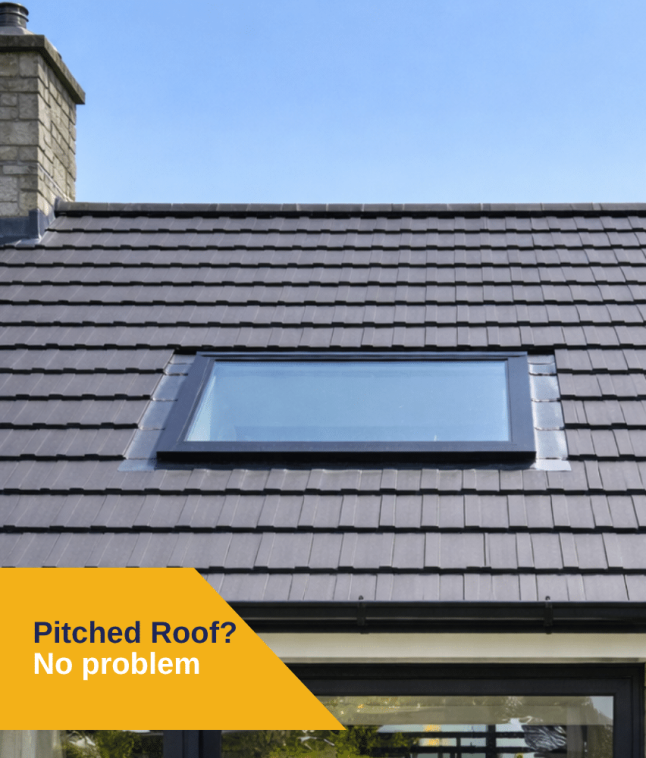
Rooflights may be fitted across numerous roofing material types, including tile, slate, and metal. That said, correct installation procedures and careful consideration of structural integrity and waterproofing are vital to guarantee functionality and longevity across different materials.
How Do Rooflights Affect Home Resale Value?
Rooflights are capable of boosting home market value by enhancing natural light and aesthetic appeal. Future homeowners often recognise the increased natural light and open feel, making houses equipped with rooflights particularly appealing in competitive real estate markets.
Are There Particular Building Regulations for Installing Rooflights?
Indeed, particular building regulations for rooflight installation exist, varying by location. These rules commonly encompass safety, structural integrity, and energy efficiency. Property owners are encouraged to consult their local authorities to verify compliance prior to beginning installation.
What Maintenance Does a Rooflight Require?
Regular maintenance for rooflights encompasses washing the glass panels, examining seals for any leaks, assessing frames for wear and damage, and confirming effective drainage. Such tasks assist in maintaining functionality and aesthetic appeal while prolonging the lifespan of the rooflight.
In What Ways Can Rooflights Enhance Indoor Air Quality?
Rooflights are able to enhance indoor air quality by allowing natural ventilation, decreasing humidity, and optimising the flow of air. This influx of fresh air serves to reduce indoor pollutants, promoting a healthier environment for occupants and supporting overall health and well-being.